
Brigit: Cash Advance & Credit
BrigitFinance
4.848.60K Reviews
- Version
- 1265.0
- Installs
- 10.00M
- Age Rating
- Everyone
Screenshots

Our Review of Brigit: Cash Advance & Credit
 Analysis by Appyee
When money is tight in a household, the problem is often less about one person’s budget and more about timing. A bill can arrive before payday, a shared account can run low, or one partner may need a small cushion while the other is away from home. I looked at Brigit: Cash Advance & Credit with that everyday situation in mind, rather than treating it as a simple button for getting extra cash. My impression is that it can be useful for eligible users who need a short-term bridge, but it works best when everyone understands whose account is connected, who is responsible for repayment, and what the advance is actually solving.
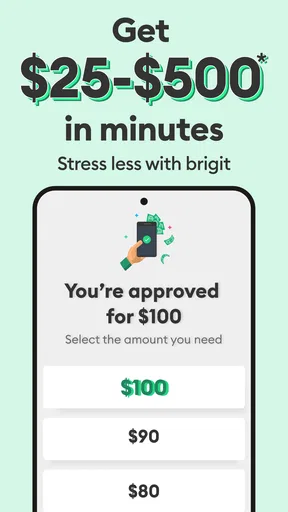
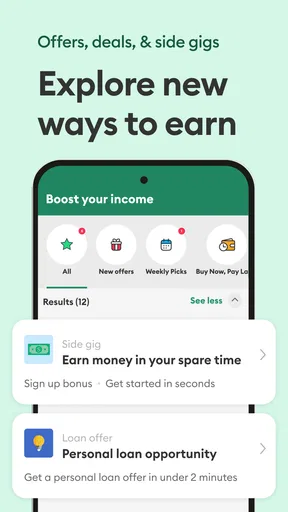
Brigit is a free finance app from Brigit, aimed at people who want access to cash advances, credit-building tools, and ways to earn money in one place. Its store summary presents advances from $25 to $500, although the amount available to an individual user is not something I would assume in advance. The app has built a sizeable audience, with an average rating of 4.8 from around 390 thousand ratings and more than 10 million installs. Those figures suggest that many people find the service useful, but they do not remove the need to read the terms carefully before relying on it.
How Brigit fits into a shared household
I find shared-household use works best when Brigit remains one person’s financial tool, not an informal family wallet. The account holder can bring a specific cash-flow concern to a partner or housemate, then decide together whether the expense is essential and how repayment fits the next budget. That conversation is especially useful when the bill is shared but the connected account is not. Agreeing on the purpose and repayment plan beforehand helps prevent a short-term fix from becoming a surprise for everyone relying on the same household balance.
A realistic shared-use situation
Imagine a couple managing rent, groceries, transport, and a utility bill from the same household income. One person notices that the checking account will be short before payday, while the other is at work and cannot easily review every transaction. Brigit may offer a way for the account holder to cover a necessary expense without immediately turning to a credit card or an overdraft facility. That can be helpful when the gap is genuinely temporary and the next income deposit is already expected.
The important distinction is that this is not automatically a household wallet. I would treat it as an individual financial tool connected to one person’s financial information. If both partners use the same phone, or if a family tablet stays logged in, the person opening the app may see sensitive financial details or start an action that affects the account holder. Shared-device convenience should therefore never be confused with shared ownership.
For a household, the best use is planned rather than spontaneous. Before requesting anything, I would identify the exact bill, confirm the expected income date, and agree on whether the advance is replacing a more expensive option or merely postponing the same shortage. That small conversation prevents a common mistake: using a cash advance for routine spending while the underlying budget remains permanently short.
What the app is good at in that moment
The appeal is concentration. Instead of switching between a banking app, a credit-monitoring service, and a job-search platform, Brigit brings several money-related functions together. Its focus on instant cash advances is the most obvious reason someone would open it, but the credit-building and earning elements can matter when the immediate emergency is only one part of a broader financial plan.
I especially see value for someone who has irregular paydays or a narrow margin between deposits and bills. A small timing problem can otherwise trigger an overdraft, a late payment, or a high-cost borrowing decision. Brigit may be a more convenient first place to check than applying for a conventional loan for a very small amount. Still, convenience is not the same as affordability, and I would not use it to fund a recurring gap month after month.
One practical habit is to record the advance in the household budget as soon as it is requested. Do not wait until the money is withdrawn or until the repayment becomes visible in the bank account. Treat it as an upcoming obligation immediately. This makes the app part of a plan instead of allowing it to become invisible spending.
Where it differs from familiar alternatives
The usual alternatives each solve a different problem. An overdraft may be automatic but can be costly or unpredictable. A credit card can offer more flexibility, yet it may encourage a balance to roll forward. A traditional personal loan is designed for a larger, more formal borrowing need and can be excessive for a short cash-flow gap. Asking family or friends may avoid financial charges but can create personal tension.
Brigit sits between these choices: more structured than an informal favor and more immediate than a conventional loan application. That position is useful when the amount needed is modest and the repayment plan is clear. It is less suitable when the household needs a large sum, has no reliable incoming money, or is already using several forms of borrowing to cover ordinary expenses.
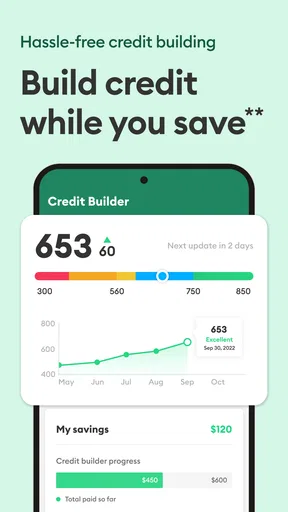
The credit-building side also deserves realistic expectations. I would view it as a longer-term feature, not a quick repair for a damaged credit history. Someone comparing Brigit with a secured card, a credit-builder loan, or direct work with a nonprofit counselor should consider the purpose of each option. A cash advance helps with timing; it does not automatically solve credit problems or replace a complete debt strategy.
Setting boundaries before connecting an account
Before connecting an account, I would decide what financial information I am comfortable reviewing in the app and who can access the device it is on. A quick boundary-setting step is to keep the login with the account owner, use the phone’s ordinary screen-lock protections, and avoid leaving financial notifications visible on a shared screen. Those habits make setup feel more deliberate and reduce the chance that convenience gets mistaken for permission.
Keep the account owner in control
In a shared home, setup should begin with ownership. The person whose financial account is connected should create and manage the account, review the information shown, and make the final decision about any advance. I would not hand a logged-in phone to a partner, teenager, roommate, or visiting relative simply because they need to check something. Financial apps are different from shared entertainment apps: a casual tap can expose private information or change a money decision.
If two adults want to coordinate, the safer approach is discussion outside the app. One person can explain the amount needed and the repayment plan, while the account holder signs in personally and reviews the details. This keeps consent clear and avoids the awkward situation in which one household member believes they were only helping with a bill while another has taken on a financial obligation.
A useful boundary is to separate device access from financial authority. A shared phone may be practical, but it should not mean that every user can open the account. If the device supports a screen lock or separate user profile, I would use those ordinary protections. I would also avoid saving sensitive information where another person can easily read it.
Review the offer instead of assuming the maximum
The advertised range can create an expectation that every user will receive the same amount. I would not plan a bill around the upper end of that range. The relevant question is what Brigit shows for the specific account at the specific time, and whether that amount genuinely fits the next budget cycle. The number offered should be treated as a limit to evaluate, not money that has already become available.
Before confirming an advance, I would look through the repayment timing, any applicable charges or membership conditions, and the effect on the connected account. The app is free to download, but that does not mean every financial service inside it should be treated as cost-free in every circumstance. This is where a few minutes of reading can matter more than the speed of the request.
Another useful check is to compare the proposed advance with the cost of the alternative. If the choice is between a manageable short-term advance and an overdraft that would create a larger problem, the app may be sensible. If the choice is between borrowing and simply delaying a nonessential purchase, waiting is usually the healthier option. The app can make access easier, so the user must supply the restraint.
Use a simple household decision routine
I would use a three-step routine. First, name the essential expense and its due date. Second, identify the income that will cover the repayment and leave enough for food, transport, and other fixed commitments. Third, agree on who will monitor the account after the request. This is particularly important when one person handles the app but both people depend on the household balance.
That routine also helps with coordination across different schedules. A partner working nights may not see a message immediately, while a parent may be managing several bills at once. Writing down the amount, purpose, and expected repayment date avoids relying on memory. It also makes it easier to notice when the same type of shortfall is happening repeatedly.
One non-obvious benefit of this approach is that it turns the app into a diagnostic tool. If the household repeatedly needs an advance just before the same bill, the issue may be the bill’s due date, an irregular pay cycle, or a missing sinking fund. Brigit can cover the immediate timing issue, but the pattern tells you where the budget needs attention.
Coordination, privacy, and trust between users
For me, coordination should happen through an agreed budget conversation, not by letting several people operate one financial profile. That keeps the account owner’s consent clear while giving household members a fair chance to discuss how a repayment could affect shared plans. With those expectations in place, it is easier to judge where the app helps and where another approach would be wiser.
Coordinate without treating the app as a family account
Brigit can be part of a household conversation, but I would not assume it provides family controls, shared approvals, or a joint dashboard. The safest expectation is that the account belongs to its registered user. Coordination should happen through a mutually agreed household budget, not through multiple people experimenting inside one financial profile.
For couples, that means agreeing on a communication rule: no one requests or changes anything without telling the other person first. For roommates, it means keeping the app completely separate from shared rent calculations unless the account holder voluntarily explains the relevant amount. For parents and older teenagers, it means discussing the purpose of the app without giving the child unsupervised access to an adult’s financial account.
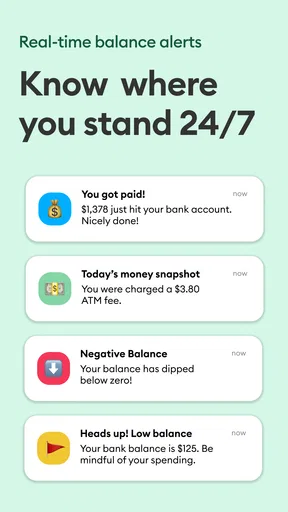
I would also be careful with notifications on a shared lock screen. Even when the phone itself is secure, visible financial alerts can reveal that an advance was requested or that an account needs attention. Adjusting ordinary device notification settings can reduce accidental exposure, but it does not replace keeping the account credentials private.
Why trust matters more than convenience
A cash-advance app deals with information that can affect relationships. If one partner discovers an advance only after the household balance changes, the issue may become trust rather than money. The same is true if a roommate borrows a phone and sees personal financial details. Clear boundaries are not excessive here; they are part of responsible use.
My preferred arrangement would be for one adult to remain the account owner while both adults agree on the household plan. The owner can review the app and the connected account, and the other person can help decide whether the expense is necessary. That gives the household cooperation without pretending that the app has converted separate finances into a shared product.
A second practical insight is to avoid using the app during an argument or a rushed moment. When people are stressed, the promise of immediate cash can feel more important than the repayment date. Waiting until both people can look at the numbers calmly is a small safeguard against a decision that solves today’s discomfort but creates next week’s shortage.
Age context and responsible access
The app carries an Everyone content rating, which describes the general store classification rather than granting every age group the same financial eligibility or authority. I would not interpret that label as permission for a child to use Brigit independently. Financial products require adult judgment, account ownership, and an understanding of repayment responsibilities.
For a teenager who shares a device with a parent, the right lesson is financial education, not unrestricted access. A parent can explain what a cash advance is, why it must be repaid, and how recurring borrowing can signal a budget problem. The adult should keep control of the account and make any decision involving connected banking information.
This age distinction matters because a friendly interface can make borrowing look like an ordinary app action. In my view, the more approachable the tool feels, the more important it is to pause and explain the consequences. A household should never rely on the content rating as a substitute for supervision or a conversation about trust.
Everyday usefulness, limitations, and my household verdict
In everyday use, I would reserve Brigit for a defined, temporary timing problem rather than treating an advance as extra household income. The useful test is whether the expense is necessary, a dependable incoming payment can cover repayment, and the rest of the budget still works afterward. If those conditions do not hold—or if the same shortage keeps returning—the app may only postpone a more important conversation about income, bills, or debt. My household verdict is positive for careful account owners who communicate openly, but cautious for anyone expecting a shared-money dashboard or a lasting solution to a recurring shortfall. The next step is to make the decision together, while keeping financial access and responsibility with the person whose account is connected.
Who I would recommend it to
I would recommend considering Brigit to an adult who has a predictable incoming payment, occasionally faces a short timing gap, and is comfortable reviewing financial terms before requesting an advance. It may suit someone who wants cash-flow help alongside credit-related and earning-oriented tools, rather than maintaining several separate services.
It is also a reasonable option for a household that has clear account boundaries. One person can manage the individual account, while the household uses a shared budget to decide whether the advance is justified. In that arrangement, the app supports coordination without becoming a source of confusion about who controls the money.
The app is available at no download price, and it supports older devices beginning with Android 8.1. Its current version is 1198.0, which is useful context for Android users checking compatibility. I would still keep the device updated and use the normal security protections available on the phone.
Who should choose another route
I would skip Brigit as a primary solution if the household has no dependable income arriving soon, is already taking advances repeatedly, or needs enough money to cover a major expense. In those cases, a conversation with a nonprofit credit counselor, a bank, an employer, or a trusted community service may be more appropriate. The right alternative depends on the problem, but borrowing more should not be the automatic response.
I would also be cautious if the person considering it dislikes monitoring bank activity or does not want to connect financial information to another service. A finance app is only helpful when the user is comfortable checking what it displays and understanding how its tools fit into the wider budget. Someone seeking completely separate, single-purpose borrowing may prefer a provider focused only on a traditional loan or credit product.
Another limitation is psychological: instant access can make a temporary solution feel like extra income. It is not. The advance belongs in the budget as money that has already been allocated to a future repayment. If that idea feels difficult to maintain, the app may create more stress than it removes.
My final assessment
After looking at Brigit through the lens of shared household use, I see a practical but narrow tool. Its strongest case is a controlled, short-term cash-flow gap where the account owner knows what is needed, knows what income will repay it, and communicates clearly with anyone else affected by the balance. The credit-building and earning features broaden its usefulness, but they do not turn it into a complete personal-finance system.
The high average rating and large install base show that Brigit has reached many users, yet popularity should not replace personal judgment. I would use it as a deliberate bridge, not as part of the normal monthly income plan. I would keep the login with the account owner, avoid assuming family-sharing features, and make the repayment visible in the household budget from the first moment.
My bottom line is simple: Brigit is most helpful when it solves a clearly defined timing problem without hiding the cost or responsibility. For a careful adult with predictable income, it can be a convenient addition to a finance toolkit. For a household facing a permanent shortfall, a shared-device situation with unclear boundaries, or a user who needs a larger and longer-term solution, I would choose a different path before requesting an advance.
Privacy and Permissions
See what permissions an app requests and how it handles your data.
- Location
- approximate location (network-based)
- Phone
- read phone status and identity
- Wi-Fi connection information
- view Wi-Fi connections
- Device ID & call information
- read phone status and identity
- Other
- view network connections, change network connectivity, full network access, run at startup, draw over other apps, control vibration, prevent device from sleeping, read Google service configuration
Verdict
Strengths of Brigit: Cash Advance & Credit
- Quick cash advances can help cover unexpected expenses before payday.
- Clear repayment dates make it easier to plan around upcoming income.
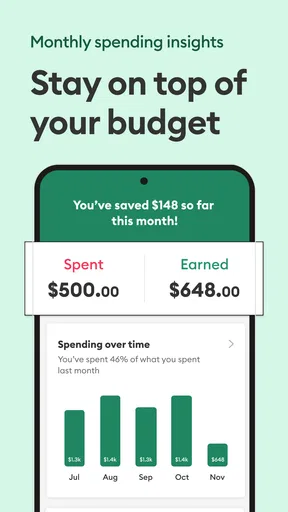
- Budgeting tools can help users monitor spending and manage recurring bills.
- Credit-building features may support users working to improve their credit profile.
- The app offers useful financial insights in a simple, mobile-friendly interface.
Limitations of Brigit: Cash Advance & Credit
- Eligibility and advance limits vary, so not every user will qualify for the same amount.
- Some features require a paid membership, which may reduce the overall value.
- Repayment activity can put pressure on your next paycheck if your budget is tight.
- Availability and terms may depend on your state and personal financial information.
- Users should review fees and subscription terms carefully before accepting an advance.
Similar Picks in This Category
View All
Google Wallet
Google LLC4.3

Airtel: Recharge, Bank & Loans
Airtel4.0

PayPal - Pay, Send, Save
PayPal Mobile4.2

DANA Indonesia Digital Wallet
PT Espay Debit Indonesia Koe4.5

Binance: Buy Bitcoin & Crypto
Binance Inc.4.8

Cash App
Block, Inc.4.7
Frequently Asked Questions
What is Brigit: Cash Advance & Credit, and how does it work?
Brigit is a personal finance app designed to help eligible users manage short-term cash-flow gaps. Depending on the available features and your eligibility, it may provide access to a cash advance, budgeting tools, spending insights, and credit-related resources. After connecting a qualifying bank account, the app reviews account activity and displays the services available to you. Approval, advance amounts, repayment dates, and other terms can vary by user.
How much money can I get through a Brigit cash advance?
The amount available through Brigit is not identical for every user. Your potential advance limit may depend on factors such as account history, recurring income, balance patterns, banking activity, and other eligibility requirements. The app shows the amount you qualify for before you confirm the request. Users should carefully review the repayment date, any applicable fees or membership costs, and the total financial impact before accepting an advance.
Does Brigit charge fees or require a subscription?
Brigit may offer different services under a membership or subscription model, while some features and cash-advance options can have separate costs depending on the plan and delivery method. Pricing, optional expedited transfer fees, eligibility rules, and cancellation terms may change over time. Before signing up or requesting money, review the current in-app disclosures so you understand recurring charges, transfer costs, and whether a free trial or promotional period applies.
How quickly can a Brigit advance reach my bank account?
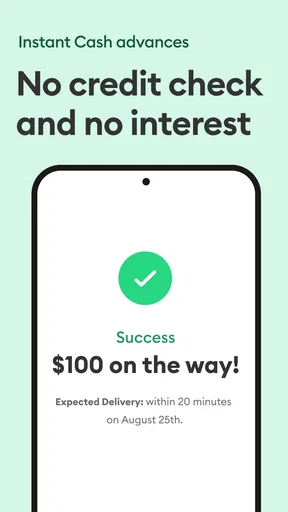
The delivery time depends on the transfer option selected, your bank, account verification, weekends or holidays, and whether you qualify for expedited delivery. Standard transfers may take longer, while faster delivery can involve an additional charge or may only be available to certain users. Brigit normally provides an estimated arrival time during the request process, but that estimate should not be treated as a guarantee.
Is Brigit safe to use, and what information does it require?
Brigit requires personal and financial information to verify your identity, connect a qualifying bank account, evaluate eligibility, and provide account-management features. As with any financial app, users should download it from an official app store, check the developer details, use a strong password, and read the privacy policy and permissions carefully. No financial service is completely risk-free, so avoid sharing login details outside the app and monitor connected accounts regularly.
